
Persistent Muscle Tightness
When stretching and foam rolling are not changing a stubborn area, an evaluation can identify whether muscle tone is the problem or a response to something else.
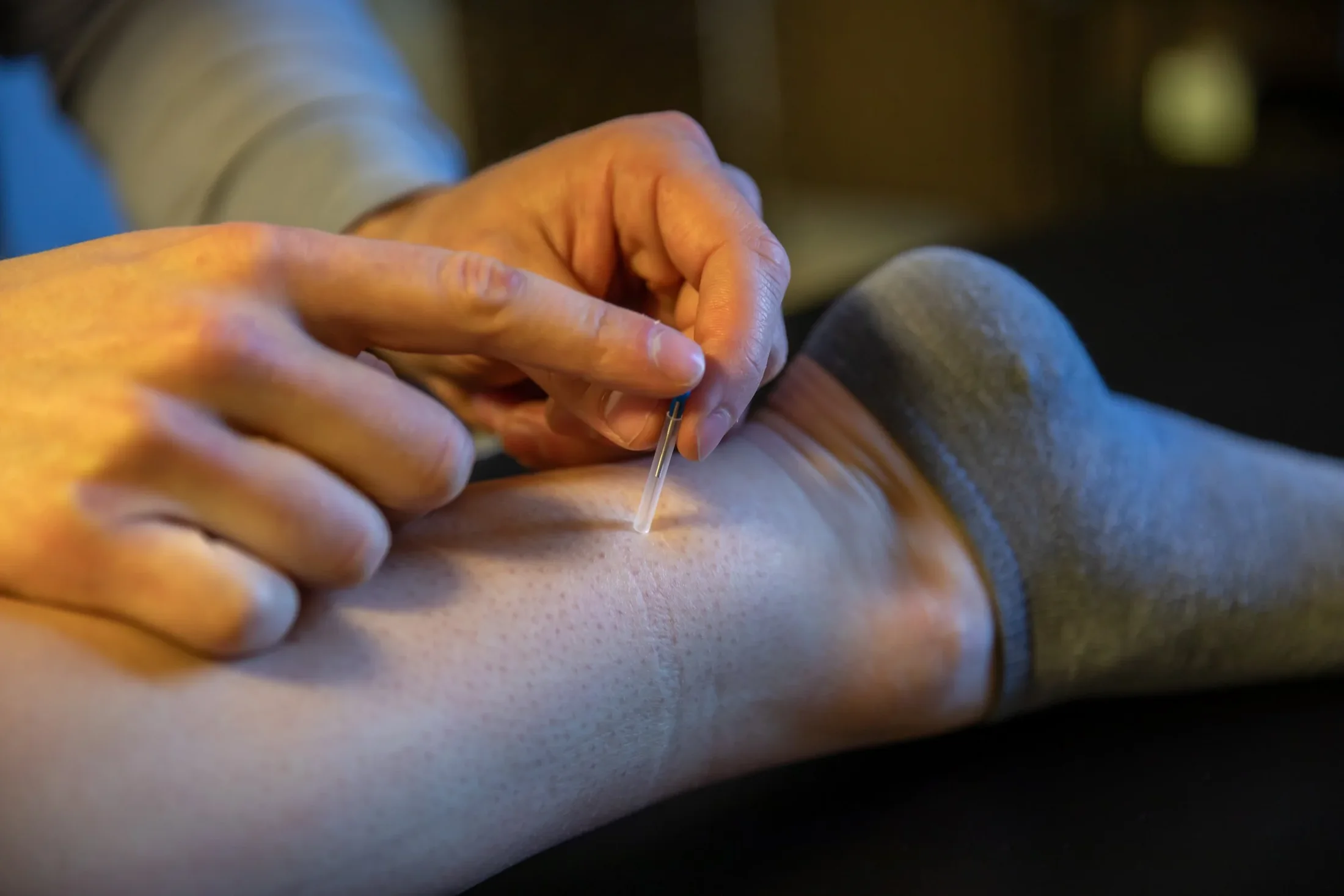
Dry Needling · Westlake, Ohio
Dry needling can be one useful tool for muscle tension, pain, and movement limitations. At Bridge, it is selected after an evaluation and paired with the strength and movement work needed for lasting progress.
Book Strategy CallA performance-first approach
A painful or tight muscle may be the source of a problem, or it may be compensating for weakness, mobility loss, or a training-load issue elsewhere. Bridge evaluates that context before treating.
Every recommendation starts with an individual evaluation. Treatment options are selected when appropriate for your presentation, comfort, and goals.
When stretching and foam rolling are not changing a stubborn area, an evaluation can identify whether muscle tone is the problem or a response to something else.
Bridge evaluates the full movement pattern before deciding whether dry needling belongs in the plan.
Dry needling may be combined with strength, mobility, and training modifications rather than used as a stand-alone fix.
The Bridge process
Your provider assesses movement, strength, mobility, symptoms, and goals before selecting treatment.
When appropriate, a trained physical therapist applies dry needling to targeted muscles or trigger points.
Treatment is paired with exercise and a plan that addresses why the area became overloaded.
Frequently asked questions
Dry needling is a technique used by trained healthcare providers in which a thin, sterile needle is placed in selected muscle tissue or trigger points as part of a musculoskeletal treatment plan.
People experience dry needling differently. You may feel a brief pinch, twitch, pressure, or temporary soreness. Your provider will explain the technique and obtain consent before treatment.
There is no universal number. The right plan depends on the condition, how long it has been present, your response, and the other factors contributing to it.
No. Although both use thin needles, dry needling in physical therapy is applied within a musculoskeletal evaluation and treatment framework.
Talk with Bridge about what is happening and what you want to get back to.
Book a Free ConsultReady when you are
Start with a free 15-minute phone consult. No pressure, no commitment. Just tell us what is going on and what you are trying to get back to.
Loading available times…
Calendar taking too long? Call or text 216-245-3496.