
By Kyle MacMillan, PT, DPT
Pickleball Is Fun. Getting Injured Isn't.
Pickleball has quickly become one of the most popular ways to stay active, and for good reason. It's social, competitive, and a great way to get moving while having fun.
Whether you're playing a casual doubles match with friends or competing in a local tournament, pickleball gets your body moving in ways that many people don't realize.
Quick direction changes, sudden stops, reaching for shots, lunging, and repetitive swinging all place demands on your muscles and joints. And while pickleball is a great form of exercise, those demands can sometimes lead to injuries.
The reality is that you don't have to be a professional athlete to experience a sports-related injury. Even recreational players can develop pain or soreness that starts interfering with their ability to play.
The good news? Many common pickleball injuries can be reduced with the right preparation, strength training, movement habits, and recovery strategies.
At Bridge Rehab & Performance in Westlake, Ohio, we work with active adults and athletes who want to stay in the game, recover from injuries, and keep doing what they love.
Let's look at some of the most common pickleball injuries, why they happen, and what you can do to prevent them.
What Are the Most Common Pickleball Injuries?
Pickleball involves a combination of upper-body movement, lower-body strength, balance, and quick reactions. Because of this, injuries can affect several different areas of the body.
Here are some of the most common issues pickleball players experience.
Pickleball Elbow (Tennis Elbow)
A COMMON OVERUSE INJURY
Despite the name, tennis elbow isn't limited to tennis players. Pickleball players can experience it, too.
Tennis elbow typically causes pain along the outside of the elbow and is often associated with repetitive gripping, swinging, and wrist movements.
When the muscles and tendons responsible for controlling your wrist and forearm become overloaded, irritation can develop over time.
Common symptoms include:
Pain along the outside of the elbow.
Discomfort when gripping your paddle.
Pain when lifting objects or shaking hands.
Weakness or discomfort when extending your wrist.
Pain that increases during or after playing.
Why it happens:
Repetitive paddle swings, gripping the paddle too tightly, poor wrist mechanics, and increasing playing frequency too quickly can all contribute.
How to help prevent it:
Build forearm and grip strength.
Avoid gripping your paddle harder than necessary.
Work on wrist and shoulder strength.
Increase playing time gradually.
Give your arm time to recover between sessions.
If elbow pain continues to return, addressing the underlying strength and movement limitations can help you get back to playing more comfortably.
Knee Pain and Meniscus Injuries
Pickleball requires plenty of quick stops, starts, lunges, and changes in direction. These movements can place significant stress on the knees.
For some players, this leads to general knee pain. Others may experience irritation around the kneecap or more significant injuries involving the meniscus or other structures within the knee.
Common symptoms include:
Pain around or behind the kneecap.
Discomfort when lunging or squatting.
Stiffness after sitting or playing.
Swelling following activity.
Pain when changing directions or pivoting.
Why it happens:
Sudden changes in direction, limited lower-body strength, reduced mobility, and poor tolerance to repetitive loading can all contribute to knee discomfort.
It's also common for players to increase their playing frequency without giving their bodies enough time to adapt.
How to help prevent it:
Strengthen your quadriceps, hamstrings, and glutes.
Improve single-leg balance and control.
Practice controlled lunges and squats.
Build up your playing frequency gradually.
Pay attention to knee discomfort that continues after playing.
Strong legs and good movement control help your knees handle the demands of the court.
Ankle Sprains
If you've ever played pickleball, you know how quickly you can move from one side of the court to the other.
Those rapid lateral movements can put your ankles at risk, especially when you're reaching for a shot, changing direction, or losing your balance.
An ankle sprain occurs when the ligaments supporting the ankle are stretched or torn, commonly when the foot rolls unexpectedly.
Common symptoms include:
Pain around the outside of the ankle.
Swelling or bruising.
Difficulty putting weight on the foot.
Reduced ankle mobility.
A feeling of instability when walking or moving.
Why it happens:
Sudden direction changes, poor balance, limited ankle mobility, and previous ankle injuries can increase the risk of another sprain.
How to help prevent it:
Improve single-leg balance.
Strengthen the muscles surrounding the ankle.
Work on ankle mobility.
Practice controlled lateral movements.
Wear supportive footwear designed for court sports.
One important thing to remember: an ankle sprain shouldn't be considered fully recovered just because the swelling goes away. Strength, balance, and stability all matter when returning to the court.
Shoulder Pain and Rotator Cuff Injuries
Your shoulder plays a major role in every pickleball swing, whether you're serving, smashing, or reaching for a difficult shot.
Repeated overhead movements and swinging can irritate the structures surrounding the shoulder, particularly when strength, mobility, or recovery aren't where they need to be.
Some players experience general shoulder irritation, while others may develop rotator cuff-related pain.
Common symptoms include:
Pain when raising your arm overhead.
Discomfort during serves or overhead shots.
Shoulder weakness.
Pain when reaching behind your back.
Discomfort that increases after playing.
Why it happens:
Repetitive swinging, limited shoulder mobility, poor upper-back movement, and inadequate rotator cuff strength can all contribute to shoulder pain.
How to help prevent it:
Strengthen the rotator cuff muscles.
Improve shoulder and upper-back mobility.
Build strength through different ranges of motion.
Avoid suddenly increasing the number of overhead shots.
Include upper-body recovery between playing sessions.
Your shoulder doesn't work alone. Your upper back, core, and shoulder blade muscles all contribute to how efficiently your arm moves.
Achilles Tendon and Calf Injuries
Pickleball requires repeated pushing off, accelerating, and stopping. These movements place a lot of demand on your calves and Achilles tendon.
For some players, this can lead to calf strains or Achilles tendon irritation.
Common symptoms include:
Tightness or soreness in the calf.
Pain along the back of the ankle.
Morning stiffness around the Achilles tendon.
Discomfort when pushing off the ground.
Pain that increases with jumping or quick movements.
Why it happens:
A sudden increase in activity, insufficient calf strength, limited ankle mobility, and inadequate recovery can all contribute.
How to help prevent it:
Build calf strength with controlled calf raises.
Gradually increase playing frequency.
Work on ankle mobility.
Include appropriate recovery between sessions.
Avoid ignoring recurring tightness or soreness.
Calf and Achilles strength are especially important for movements that involve quick acceleration and deceleration.
Why Do Pickleball Injuries Happen?
While every injury is different, many pickleball-related injuries come down to a few common factors.
Doing Too Much, Too Soon
One of the biggest contributors to sports-related injuries is increasing activity faster than your body can adapt.
Maybe you recently started playing pickleball and went from one match a week to four. Or maybe you've been playing for years but recently started participating in longer tournaments.
Your muscles, tendons, joints, and connective tissues all need time to adjust to increased activity.
The takeaway: Gradually increase your playing time and intensity instead of jumping into several matches a week.
Not Having Enough Strength
Pickleball requires more than just good hand-eye coordination.
You need strength throughout your entire body to control your movements, absorb force, and react quickly.
Areas that deserve attention include:
Glutes and hips for lateral movement and stability.
Quadriceps and hamstrings for lower-body control.
Calves for acceleration and pushing off.
Core muscles for balance and rotation.
Shoulders and forearms for paddle control.
Strength training isn't just for people who lift weights or compete in sports. It's one of the best ways to help active adults maintain their ability to move well as they age.
Skipping Your Warm-Up
Walking onto the court and immediately jumping into a competitive game isn't always the best approach.
Your body needs time to prepare for the movements you're about to perform.
A proper warm-up helps prepare your muscles and joints for quick changes in direction, swinging, and lunging.
Ignoring Early Warning Signs
A little soreness after playing can be normal, especially when you're trying something new or increasing your activity.
However, pain that repeatedly returns, gets worse during activity, or starts affecting everyday movement deserves attention.
Trying to push through everything can turn a manageable issue into something that keeps you off the court longer.
How to Prevent Pickleball Injuries
You don't need an elaborate training routine to prepare your body for pickleball. A few consistent habits can make a meaningful difference.
Here are five ways to help keep your body ready for the court.
Warm Up Before Playing
Spend 5–10 minutes preparing your body before jumping into a match.
Try including:
Walking or light jogging.
Leg swings.
Walking lunges.
Side shuffles.
Arm circles.
Gentle trunk rotations.
The goal is to gradually increase your movement and prepare your body for the demands of the game.
Strength Train Outside of Pickleball
Playing pickleball helps improve your cardiovascular fitness, coordination, and agility. However, it doesn't necessarily build all the strength your body needs to tolerate repetitive court movements.
A well-rounded strength routine should include:
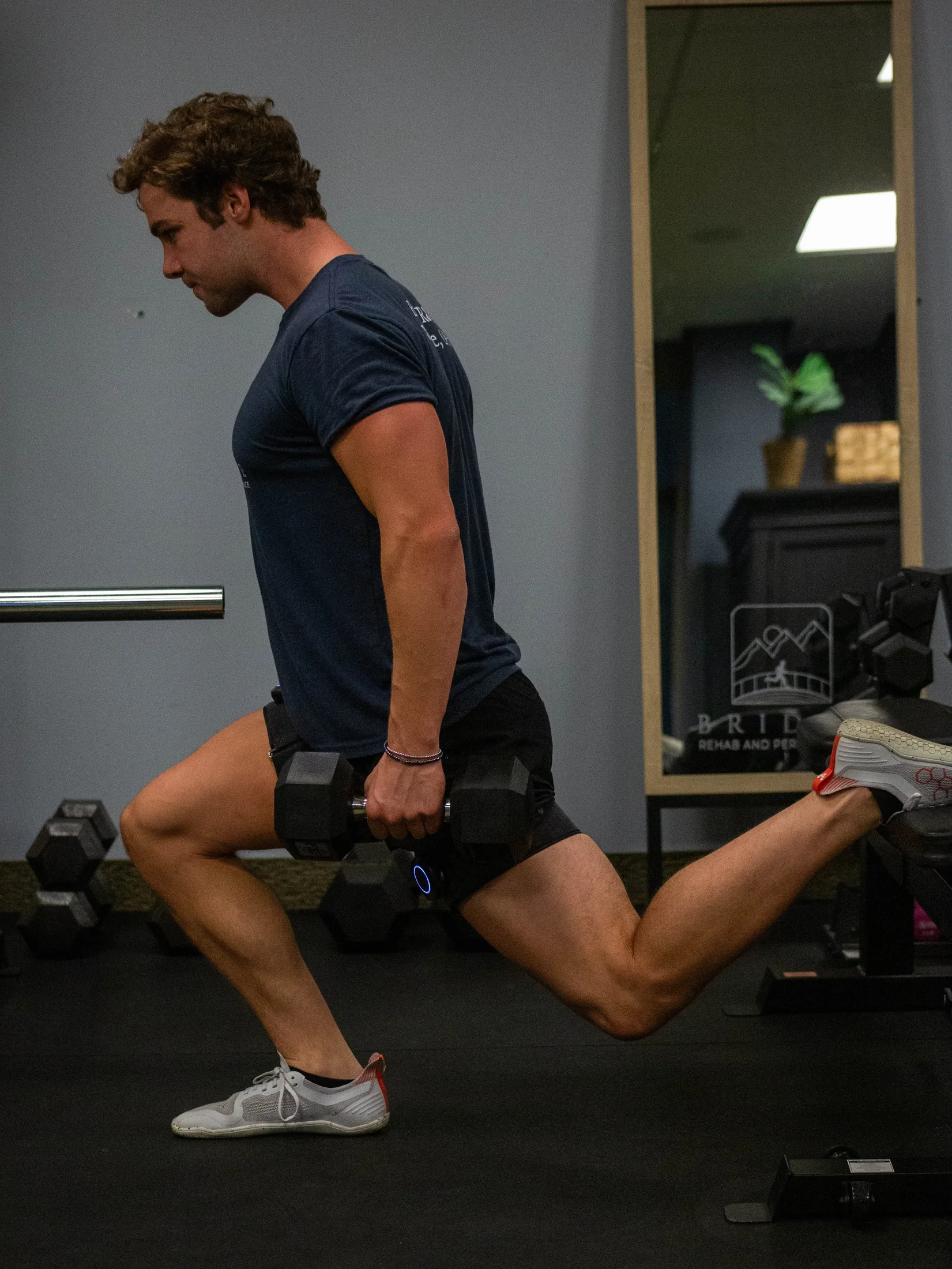
Squats and lunges.
Single-leg exercises.
Hip and glute strengthening.
Calf raises.
Core stability exercises.
Shoulder and upper-body strengthening.
Even two strength sessions per week can be a great starting point.
If you're unsure where to begin, Bridge Personal Training can help you build a program that supports your goals and keeps you moving.
Work on Balance and Stability
Pickleball involves constantly shifting your weight from one leg to the other.
Improving single-leg balance and stability can help you better control your body when reaching, lunging, and changing direction.
Try incorporating:
Single-leg balance holds.
Single-leg Romanian deadlifts.
Step-ups.
Lateral lunges.
Controlled side-to-side movements.
These exercises help build the control you need to move confidently on the court.
Give Your Body Time to Recover
More playing doesn't always mean better performance.
Your body needs time to recover and adapt to the stress of exercise.
Make sure you're:
Getting enough sleep.
Staying hydrated.
Taking rest days when needed.
Eating enough to support your activity.
Avoiding back-to-back high-intensity sessions when you're not recovering well.
Recovery is just as important as the work you put in on the court.
Bridge also offers sauna and cold plunge services as additional recovery options to incorporate into your routine.
Don't Ignore Pain
If something doesn't feel right, pay attention.
You don't necessarily need to stop all activity at the first sign of discomfort, but you should be willing to adjust your training and playing intensity.
Recurring pain, swelling, instability, or symptoms that interfere with daily activities are good reasons to get evaluated.
Catching an issue early can help you avoid spending more time away from the activities you enjoy.
When Should You See a Physical Therapist for Pickleball Pain?
Not every ache or sore muscle means you have an injury. However, there are certain signs that you shouldn't ignore.
Consider scheduling a physical therapy evaluation if you experience:
Pain that continues to return every time you play.
Discomfort that gets worse as you continue playing.
Swelling or stiffness that doesn't improve.
Reduced strength or range of motion.
Difficulty walking, lunging, or changing directions.
A feeling of instability in your knee or ankle.
Pain that starts interfering with everyday activities.
You don't have to wait until you're unable to play before seeking help.
In fact, physical therapy isn't just for recovering from an injury. It can also help identify movement limitations, strength deficits, and areas that may need attention before they become bigger problems.
At Bridge Rehab & Performance, our approach focuses on understanding why something hurts, addressing the underlying issue, and helping you return to the activities you enjoy.
Learn more about our Physical Therapy services.
Important: If you experience a sudden pop with significant pain, an inability to bear weight, severe swelling, or an obvious deformity, seek prompt medical evaluation. Don't try to play through a potentially serious injury.
How Physical Therapy Can Help You Get Back on the Court
Whether you're dealing with elbow pain, knee discomfort, an ankle sprain, or shoulder irritation, physical therapy can help you work toward getting back to pickleball safely and confidently.
At Bridge Rehab & Performance, we look beyond the location of your pain.
Our goal is to understand how your body moves, identify areas that may be contributing to your symptoms, and create a plan that helps you build strength and improve performance.
Depending on your needs, this may include:
Movement and mobility assessments
Identifying limitations in your hips, ankles, shoulders, or upper back that may affect how you move on the court.
Targeted strength training
Building strength in the muscles that support your joints and help you control quick movements.
Balance and stability training
Improving single-leg control, coordination, and confidence when changing directions.
Hands-on treatment and recovery strategies
Using appropriate treatment techniques to help address symptoms and support your recovery.
A plan to return to activity
Gradually rebuilding your tolerance to playing, training, and competing without rushing the process.
We also offer Signature Tune-Ups for active individuals who want to address movement limitations, stay ahead of potential issues, and keep their bodies performing at their best.
The goal isn't just to get you out of pain. It's to help you stay active long after the pain is gone.
Don't Just Recover From Injuries. Build a Body That Can Handle the Game.
Pickleball should be something you look forward to playing, not something you're constantly worried about getting injured doing.
The best way to stay on the court is to take care of your body before problems develop.
That means building strength, improving mobility, working on balance, warming up properly, and giving yourself enough time to recover.
You don't need to be a professional athlete to train like someone who wants to stay active for life.
Whether you're playing pickleball three times a week, hitting the gym, running, or simply trying to stay active as you get older, investing in your movement and strength can make a difference.
At Bridge Rehab & Performance, we help active adults and athletes in Westlake and Greater Cleveland move better, recover smarter, and continue doing what they love.
Don't wait until pain takes you off the court. Take the steps now to keep playing for years to come.
Ready to Keep Playing Pickleball Pain-Free?
Whether you're dealing with an injury, noticing recurring soreness, or simply want to improve how your body moves, Bridge Rehab & Performance is here to help.
Our team can help you identify what's holding you back and create a plan that supports your recovery, strength, and long-term performance.
Whether you need a Physical Therapy Evaluation, a Signature Tune-Up, or guidance through Personal Training, we're here to help you stay in the game.
Let's keep you moving, playing, and doing what you love.
Ready to get started?
Schedule your evaluation or contact Bridge Rehab & Performance.
Visit Bridge Rehab & Performance to learn more about how we help active adults and athletes stay strong, recover, and perform at their best.
Want help applying this to your body and goals?
Start with a free 15-minute strategy call with Bridge Rehab & Performance in Westlake.
Book Strategy Call